


Zinc Sulfide Pigment
Zinc Sulfide Pigment
Couldn't load pickup availability


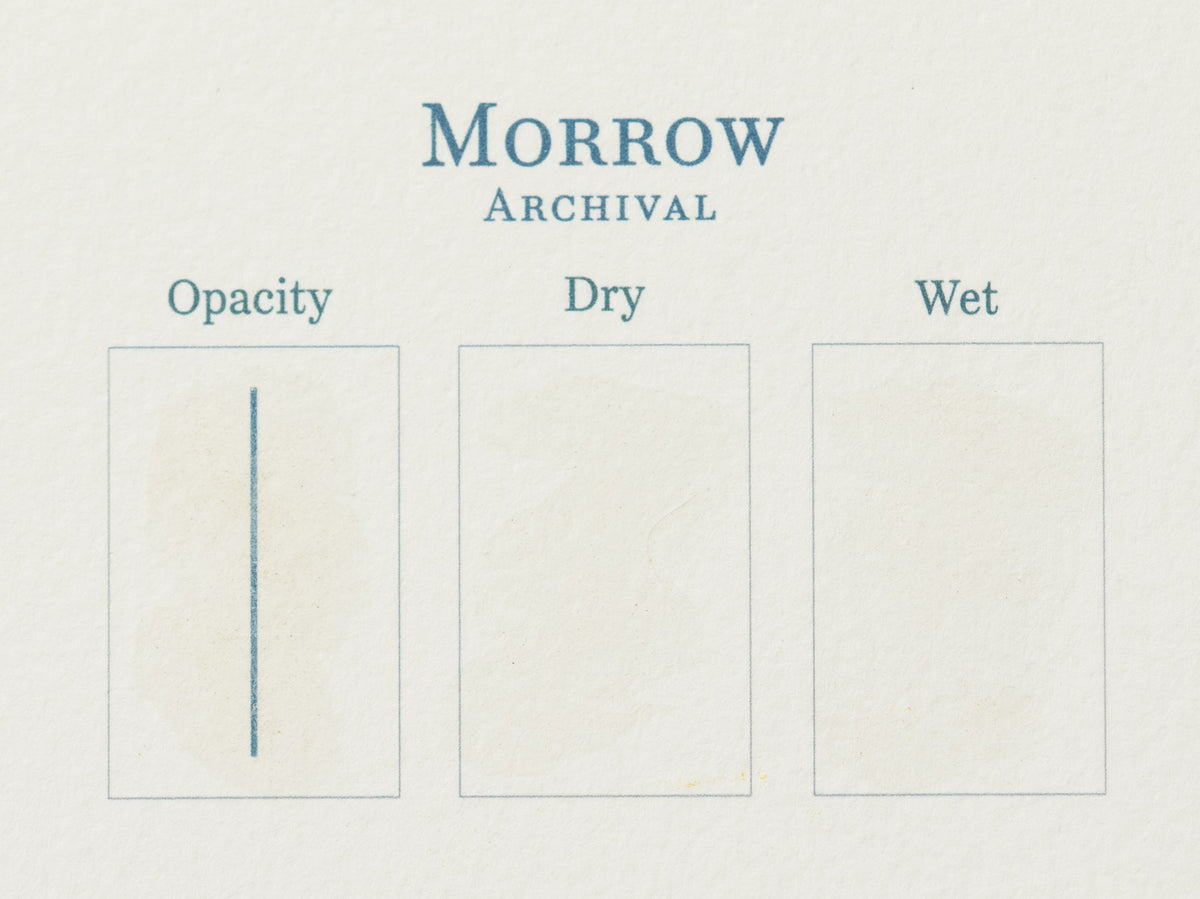
Zinc Sulfide (PW7) is a single pigment of zinc sulfide (ZnS), the white component that gives lithopone its hiding power. It produces a warm white with a smooth, soft texture. It is more opaque than zinc white, though less opaque than titanium white, and gives warm, soft tints.
In use, Zinc Sulfide gives warm whites, highlights and soft tints in oil, watercolor, gouache, tempera and encaustic. As a sulfide, it should be kept away from acids, which release hydrogen sulfide gas, and it is best not mixed with lead or copper pigments, which can darken in contact with sulfides. It is not suitable for fresco.
History
Zinc sulfide occurs in nature as the mineral sphalerite, or zinc blende, the main ore of zinc. As a white pigment it was developed in the second half of the 19th century, first as part of lithopone, patented in 1874, and then on its own under trade names such as Sachtolith. It was widely used in house paints, coatings and plastics before titanium white took over, and it is also known as the glowing ingredient of early luminous paints.
Pigment Information
Pigment Type: Synthetic (Inorganic) zinc sulfide
Source: Zinc sulfide (ZnS)
Origin: U.S.A.
Suitable Mediums: Watercolor, Gouache, Oil, Tempera, Acrylic, Encaustic, Casein
Lightfastness: Very good
Opacity: Opaque
Other Names: Sachtolith, Zinc Sulphide, Zinc Blende White, Pigment White 7
Color Index Code: PW7 (77975)
Health and Safety
For art use only. Not for cosmetic, food or children's use.
Keep out of reach of children and pets. Do not eat, drink or smoke while working.
Avoid creating or breathing dust. Work in a ventilated area and wear a NIOSH approved dust respirator (P100 or better) when handling dry pigment.
Wear gloves and eye protection. Wash hands and work surfaces after use, and never rinse pigment into drains.
Do not spray apply, sand or burn.
If swallowed or if you feel unwell, contact a poison control center (U.S. 1-800-222-1222) or a doctor.
Safety Data Sheet available on request.
Caution: Very toxic to aquatic life with long lasting effects. Never rinse brushes or palettes into drains; wipe them clean and dispose of the waste as household hazardous waste.