


Wollastonite Pigment
Wollastonite Pigment
Couldn't load pickup availability


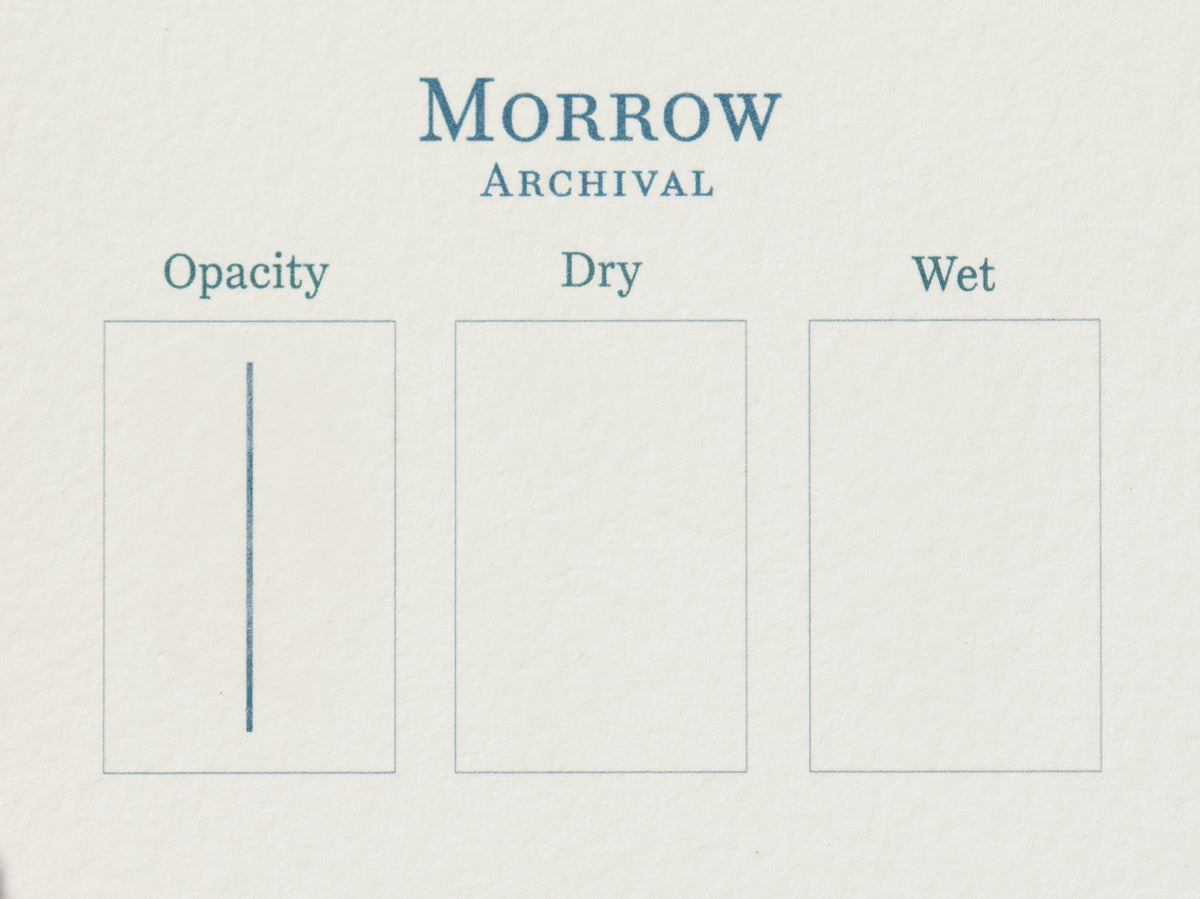
Wollastonite is a natural white pigment ground from wollastonite, a calcium silicate mineral (CaSiO₃). It produces a bright, slightly cool white with a fine, matte texture. Its crystals are long and needle like, which gives it unusual tooth and reinforcing strength, but it has low hiding power and works mainly as an extender and matting agent.
In use, Wollastonite adds body, tooth and strength to grounds, gesso, tempera and distemper, and it helps thick paint layers resist cracking. In watercolor and gouache it gives a soft, matte surface, and in oil it is nearly transparent, so it adds body to paint with little change in color. It is stable in lime and well suited to fresco and secco.
History
Wollastonite was named in 1822 after the English chemist and mineralogist William Hyde Wollaston. It forms where limestone is altered by heat and silica rich fluids, and it has been mined on a large scale since the 20th century, most notably in the Adirondack Mountains of New York. It is used in ceramics, coatings and plastics, and it has no long history as an artist's pigment, but it has become a valued extender in modern paints and grounds.
Pigment Information
Pigment Type: Natural (Inorganic) calcium silicate mineral
Source: Natural wollastonite (CaSiO₃), ground
Origin: U.S.A.
Suitable Mediums: Watercolor, Gouache, Oil, Tempera, Acrylic, Encaustic, Casein, Lime / Fresco
Lightfastness: Excellent
Opacity: Transparent to semi-transparent
Other Names: Calcium Silicate, Tabular Spar
Color Index Code: N/A
Health and Safety
For art use only. Not for cosmetic, food or children's use.
Keep out of reach of children and pets. Do not eat, drink or smoke while working.
Avoid creating or breathing dust. Work in a ventilated area and wear a NIOSH approved dust respirator (P100 or better) when handling dry pigment.
Wear gloves and eye protection. Wash hands and work surfaces after use, and never rinse pigment into drains.
Do not spray apply, sand or burn.
If swallowed or if you feel unwell, contact a poison control center (U.S. 1-800-222-1222) or a doctor.
Safety Data Sheet available on request.
Caution: Natural earths and minerals contain crystalline silica (quartz). Breathing the dust over long periods can cause serious lung disease (silicosis) and lung cancer. Always use a dust respirator with the dry pigment.