


Talc Pigment
Talc Pigment
Couldn't load pickup availability


Description
Talc is a natural white pigment ground from talc, a very soft magnesium silicate mineral. It produces a soft, slightly warm, off white with a silky, smooth texture and a characteristic slippery feel. It has low hiding power and becomes transparent in oil, so it is used more as a working additive or medium than as a covering white.
In use, Talc improves flow, reduces settling and adds a smooth, satin body to oil, tempera and gouache. It is a classic matting agent and extender, and it makes a fine, soft filler for grounds and encaustic. It is chemically inert, lightfast and unaffected by acids or alkalis.
History
Talc has been used since antiquity in the form of soapstone (steatite), which was carved into seals, vessels and sculpture in Egypt, Mesopotamia and the Indus Valley. As a ground powder, often called French chalk, it has served for centuries as a filler in paper, paint, ceramics and cosmetics, and it remains a common extender in modern artist paints.
Pigment Information
Pigment Type: Natural (Inorganic) magnesium silicate mineral
Source: Natural talc (Mg₃Si₄O₁₀(OH)₂), ground
Origin: U.S.A.
Suitable Mediums: Oil, Tempera, Gouache, Watercolor, Casein, Encaustic, Acrylic, Gesso
Lightfastness: Excellent
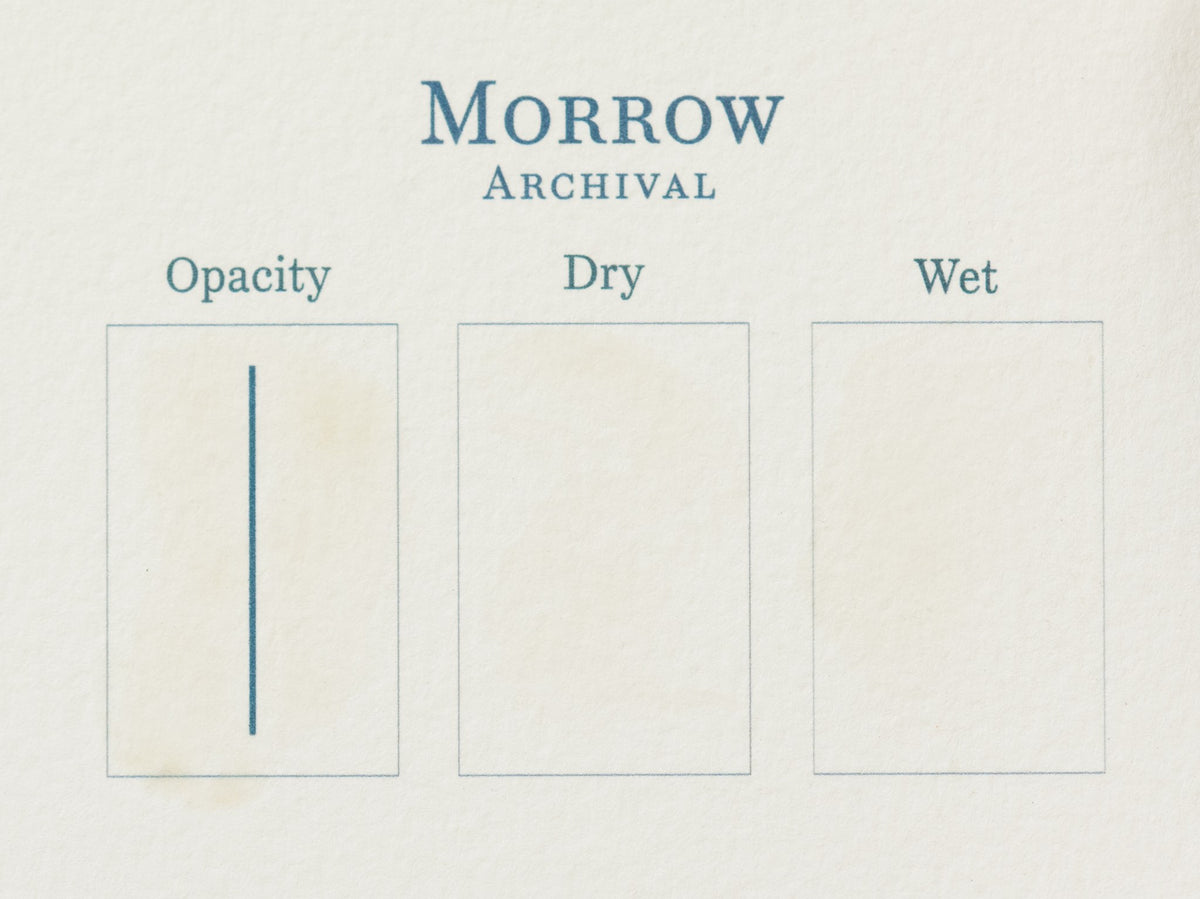
Opacity: Transparent to semi-transparent
Other Names: French Chalk, Soapstone, Steatite, Magnesium Silicate
Color Index Code: PW26
Health and Safety
For art use only. Not for cosmetic, food or children's use.
Keep out of reach of children and pets. Do not eat, drink or smoke while working.
Avoid creating or breathing dust. Work in a ventilated area and wear a NIOSH approved dust respirator (P100 or better) when handling dry pigment.
Wear gloves and eye protection. Wash hands and work surfaces after use, and never rinse pigment into drains.
Do not spray apply, sand or burn.
If swallowed or if you feel unwell, contact a poison control center (U.S. 1-800-222-1222) or a doctor.
Safety Data Sheet available on request.