


Sulfur Yellow Pigment
Sulfur Yellow Pigment
Couldn't load pickup availability


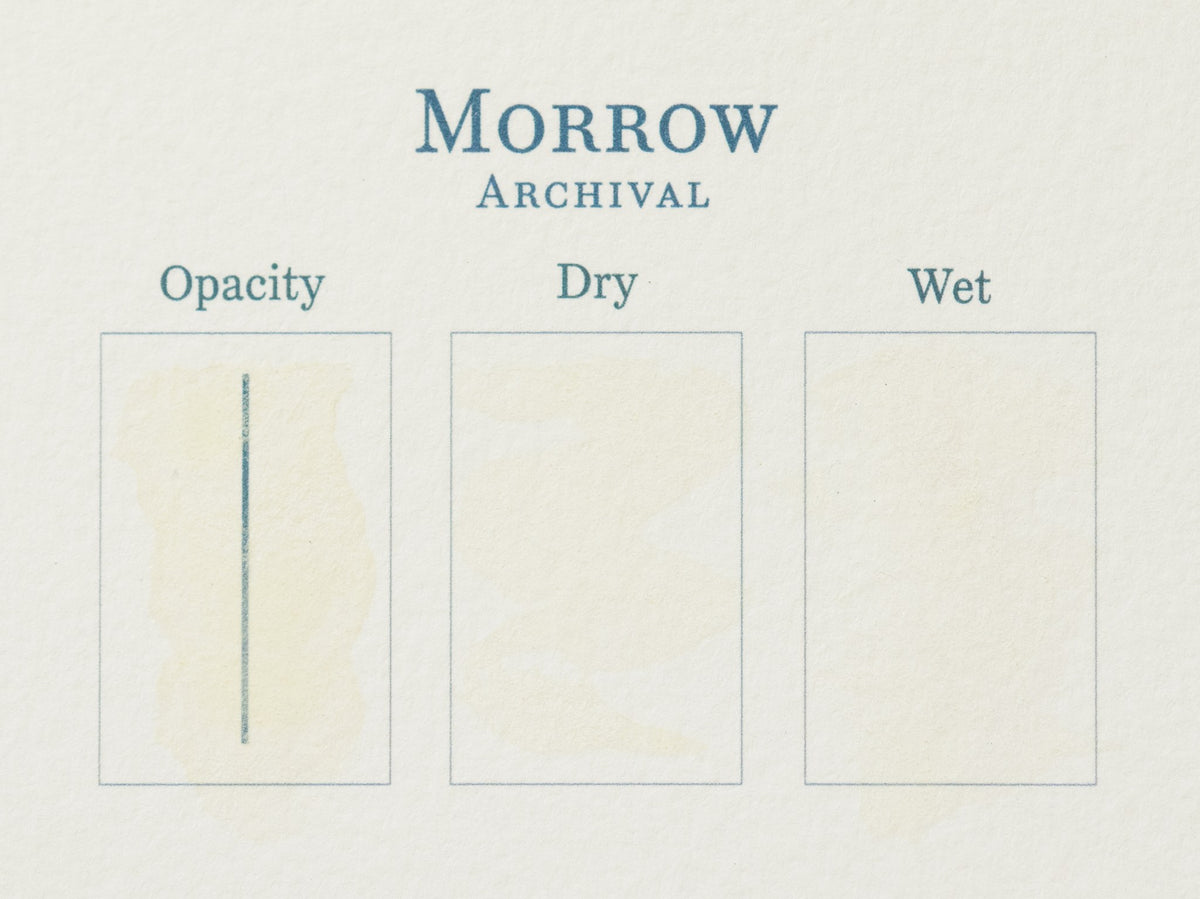
Description
Sulfur Yellow is a natural pigment ground from native sulfur, the pure elemental mineral formed around volcanic vents and in sedimentary deposits. It produces a bright, pale, slightly lemon yellow with a soft, crystalline texture. It is semi-transparent and has a delicate, luminous quality in thin layers.
In use, Sulfur Yellow gives cool, light yellows for highlights, spring greens and pale atmospheric passages. It is best used on its own or with chemically inert pigments such as earths, cobalts and synthetic organics. Sulfur reacts with lead, copper and silver, so it must not be mixed with lead white, vermilion, verdigris, malachite, azurite or other copper and lead pigments, which can blacken.
History
Sulfur has been known since antiquity as brimstone and was used in medicine, fumigation, bleaching and later gunpowder. It was rarely used directly as a painting pigment, but it was essential to pigment making: alchemists and painters combined sulfur with mercury to make vermilion, and sulfur is one of the key ingredients in synthetic ultramarine, invented in 1828.
In China, sulfur's place in painting was almost entirely through its compounds, and the sulfides are among the best studied pigments of that tradition. Scientific examination of Chinese paintings in the Freer and Sackler collections has identified cinnabar and vermilion, both mercury sulfide, across every period; the bright yellow orpiment (As₂S₃) in the tenth and eleventh century Buddhist paintings from Dunhuang; and orange toned realgar and pararealgar (As₄S₄) as the most common deep yellow minerals in Qing dynasty portraits, laid in thickly for yellow robes. The earliest Chinese list of painting pigments, written in the ninth century, includes a female yellow thought to be orpiment, noted even then for blackening lead white when the two were used together. The painter Yu Feian (1889-1959), drawing on ten painting manuals from the Tang dynasty onward, recorded that the arsenic sulfide pigments were often made by the painters themselves, and Song Yingxing described their manufacture in seventeenth century China. Native sulfur used as a pigment in its own right remained a rarity, but is said to have been used in murals as a yellow pigment.
Pigment Information
Pigment Type: Natural (Inorganic) native element mineral
Source: Native sulfur (S), crushed and ground
Origin: China
Suitable Mediums: Watercolor, Gouache, Oil, Tempera, Acrylic
Lightfastness: Good
Opacity: Semi-transparent to semi-opaque
Other Names: Brimstone, Native Sulfur, Sulphur, Volcanic Sulfur
Color Index Code: N/A
Health and Safety
For art use only. Not for cosmetic, food or children's use.
Keep out of reach of children and pets. Do not eat, drink or smoke while working.
Avoid creating or breathing dust. Work in a ventilated area and wear a NIOSH approved dust respirator (P100 or better) when handling dry pigment.
Wear gloves and eye protection. Wash hands and work surfaces after use, and never rinse pigment into drains.
Do not spray apply, sand or burn.
If swallowed or if you feel unwell, contact a poison control center (U.S. 1-800-222-1222) or a doctor.
Safety Data Sheet available on request.