


Shungite Black Pigment
Shungite Black Pigment
Couldn't load pickup availability


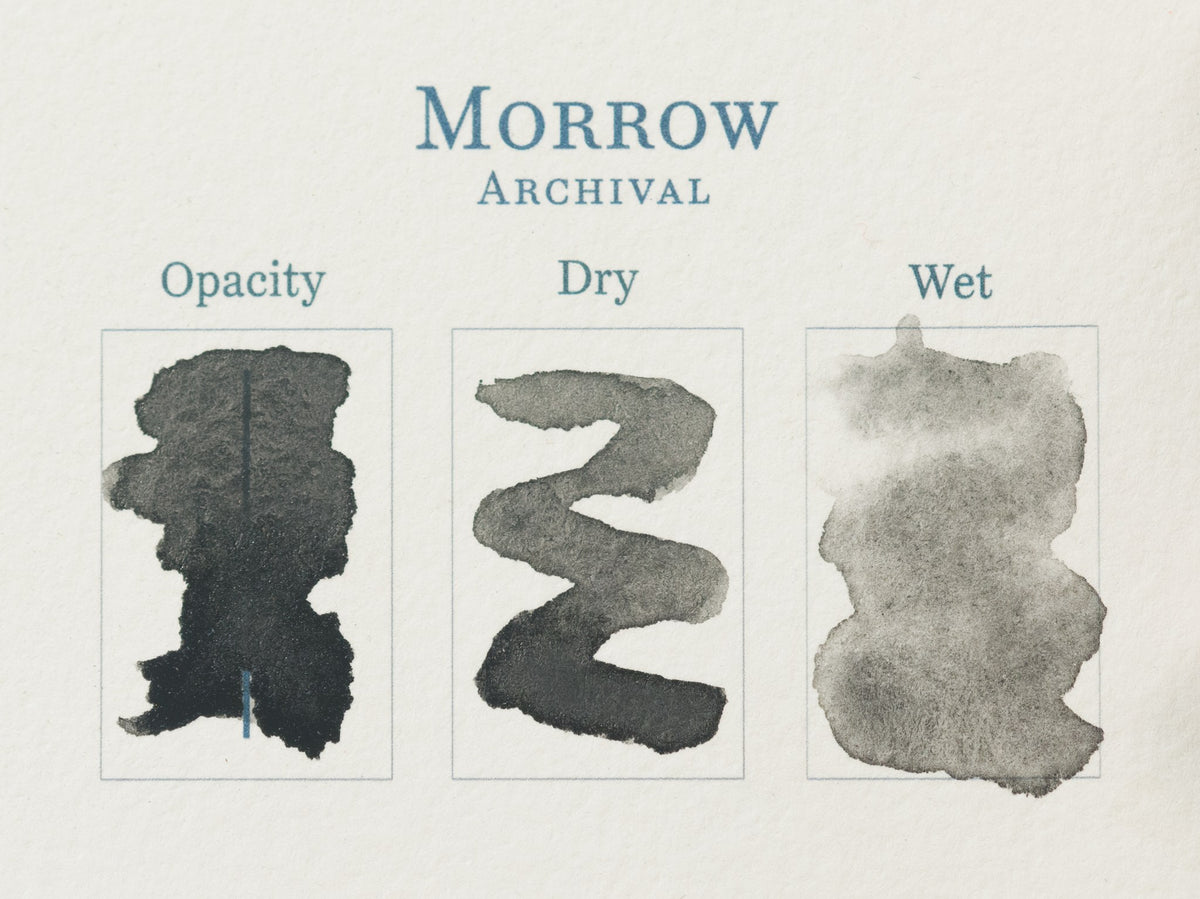
Shungite Black is a handmade natural black pigment ground from shungite, a rare carbon rich rock from Karelia in northwestern Russia. Shungite is made mostly of non crystalline carbon combined with silicates, giving a deep, neutral to slightly warm black with a soft, satiny sheen. It has a fine, smooth texture and good covering power.
In use, Shungite Black gives a rich, natural black for shadows, drawing, dark grounds and stone effects, and it mixes with white for soft, neutral greys. Its silicate content gives it a mineral texture in fresco, tempera and watercolor. It is lightfast and chemically stable.
History
Shungite is named after the village of Shunga on Lake Onega in Karelia, where the rock is found. It has been known locally for centuries and was studied by Russian geologists from the 18th century onward. Shungite is not a traditional painting pigment, but its deep, mineral black makes it a distinctive natural alternative to carbon and iron oxide blacks.
Pigment Information
Pigment Type: Natural (Inorganic) carbon rich mineral rock
Source: Natural shungite, crushed and ground
Origin: Karelia, Russia
Suitable Mediums: Watercolor, Oil, Tempera, Acrylic, Encaustic, Cold Wax, Casein, Lime / Fresco
Lightfastness: Excellent
Opacity: Opaque
Other Names: Shungite, Karelian Black, Mineral Carbon Black
Color Index Code: N/A
Health and Safety
For art use only. Not for cosmetic, food or children's use.
Keep out of reach of children and pets. Do not eat, drink or smoke while working.
Avoid creating or breathing dust. Work in a ventilated area and wear a NIOSH approved dust respirator (P100 or better) when handling dry pigment.
Wear gloves and eye protection. Wash hands and work surfaces after use, and never rinse pigment into drains.
Do not spray apply, sand or burn.
If swallowed or if you feel unwell, contact a poison control center (U.S. 1-800-222-1222) or a doctor.
Safety Data Sheet available on request.
Caution: Fine carbon dust may irritate eyes and airways. Avoid breathing dust.
Caution: Natural earths and minerals contain crystalline silica (quartz). Breathing the dust over long periods can cause serious lung disease (silicosis) and lung cancer. Always use a dust respirator with the dry pigment.