


Sea Shell White Pigment (Oyster Shell)
Sea Shell White Pigment (Oyster Shell)
Couldn't load pickup availability


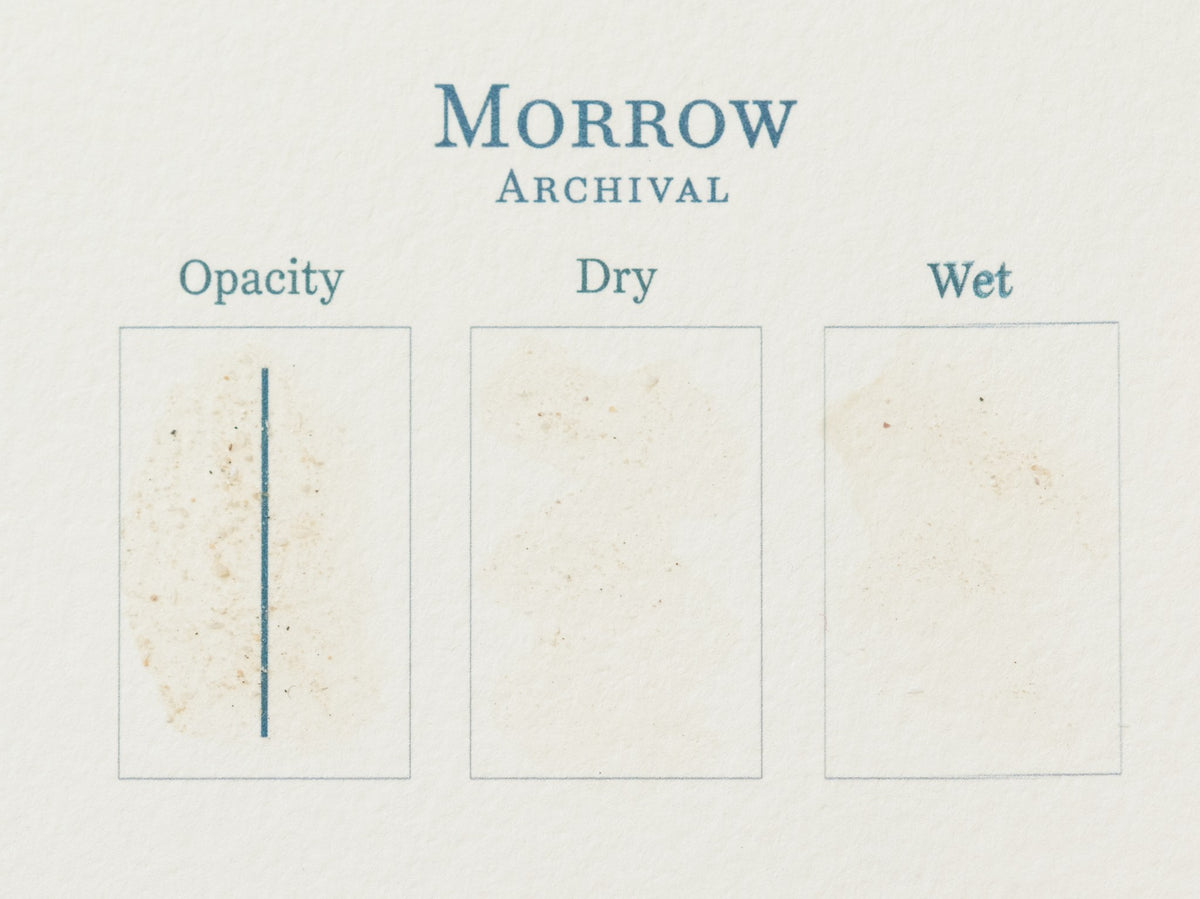
Sea Shell White is a handmade natural white pigment ground from oyster shells, made of calcium carbonate. It produces a soft, slightly warm white with a gentle pearly luminosity and a smooth, velvety texture when finely ground. It is also the same material as Japanese gofun, the shell white used for centuries in nihonga painting, dolls, and lacquerwork.
In use, Sea Shell White gives soft, luminous whites, pale tints and grounds in glue based paints, watercolor, gouache and tempera. It is less opaque than titanium or lead white, so it brightens and softens colors without flattening or dulling them. It handles beautifully with animal glue binders and makes a lovely natural extender in encaustic and gesso. In oil it becomes largely transparent. It is stable and lightfast, but sensitive to acids.
History
Shell whites have been used in East Asian painting for over a thousand years. In Japan, gofun originally meant lead white, but from around the 15th century it came to mean shell white made from weathered oyster, clam and scallop shells, which were aged outdoors, crushed, ground and levigated. Gofun became the essential white of nihonga painting, traditional dolls, lacquer and Noh masks, valued for its soft luminosity and gentle texture.
Pigment Information
Pigment Type: Natural (Organic origin, inorganic composition) calcium carbonate from oyster shell
Source: Oyster shell (calcite, CaCO₃), cleaned and ground
Origin: U.S.A.
Suitable Mediums: Glue / Distemper, Watercolor, Gouache, Tempera, Casein, Fresco / Lime, Encaustic, Acrylic; in oil as a transparent extender
Lightfastness: Excellent
Opacity: Semi-opaque in water based media, transparent in oil
Other Names: Gofun, Oyster Shell White, Shell White, Hakuai
Color Index Code: PW18
Health and Safety
For art use only. Not for cosmetic, food or children's use.
Keep out of reach of children and pets. Do not eat, drink or smoke while working.
Avoid creating or breathing dust. Work in a ventilated area and wear a NIOSH approved dust respirator (P100 or better) when handling dry pigment.
Wear gloves and eye protection. Wash hands and work surfaces after use, and never rinse pigment into drains.
Do not spray apply, sand or burn.
If swallowed or if you feel unwell, contact a poison control center (U.S. 1-800-222-1222) or a doctor.
Safety Data Sheet available on request.
Caution: Made from shell. People with a shellfish allergy should avoid handling it. Contact with acids releases carbon dioxide.