


Safflower Red Pigment
Safflower Red Pigment
Couldn't load pickup availability


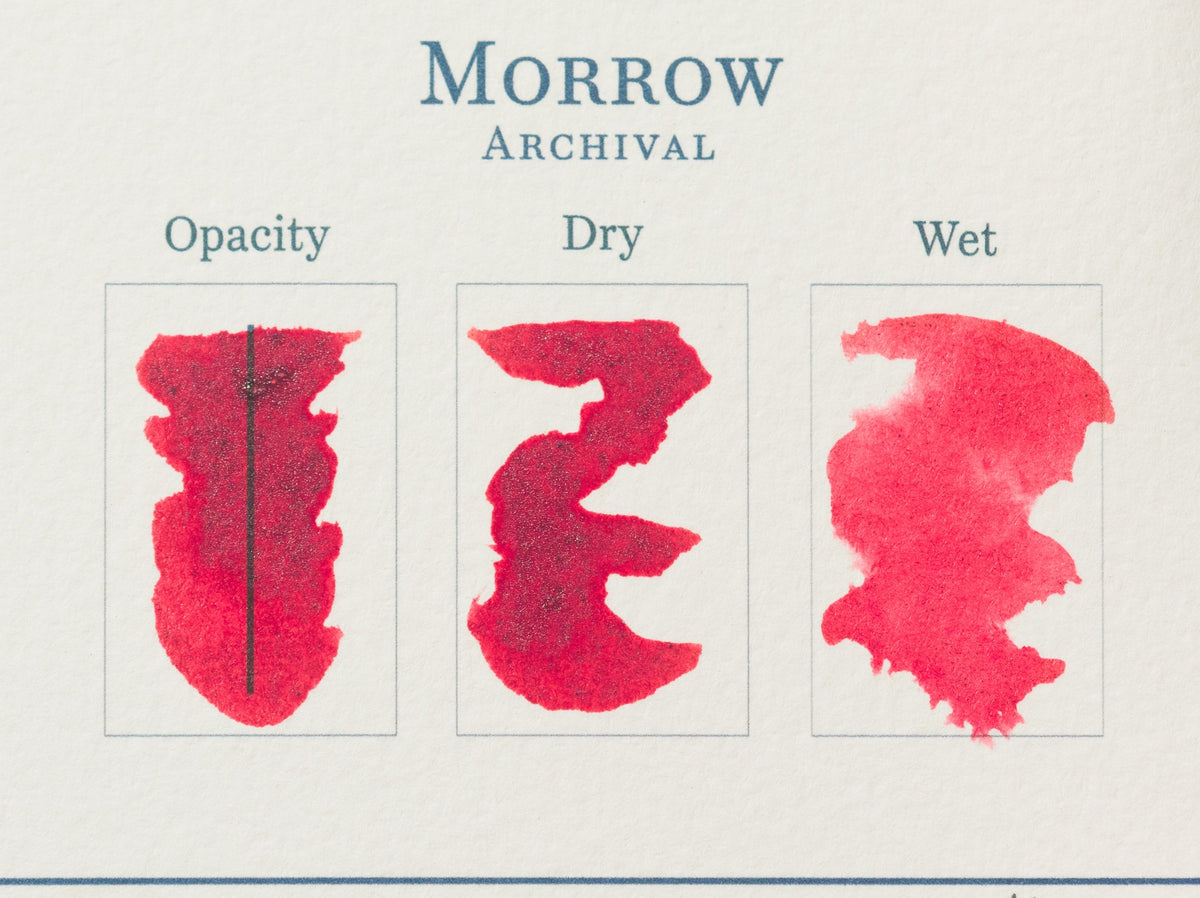
Description
Safflower Red is a handmade natural pigment made from the red colorant carthamin, extracted from the petals of the safflower plant (Carthamus tinctorius). It produces a luminous, cool pink to rose red with a clean, transparent glow. Carthamin is present in only small amounts in the petals and must be separated from the larger yellow fraction, which makes safflower red an exceptionally precious color.
In use, Safflower Red gives delicate, transparent pinks and rose tones for glazing, florals, flesh tints and illumination. It is especially lovely in watercolor and gum based media. Safflower red is fugitive; it fades in light, so finished work should be framed under UV protective glass or under UV varnish and kept out of strong sunlight. Like other natural reds it is sensitive to alkalis and heat, so it is not suited to fresco or encaustic.
History
Safflower is one of the oldest cultivated dye plants. Garlands of safflower were found in Egyptian tombs, and the plant was used to dye textiles across the Middle East, India, China and Japan. In Japan, safflower red, called beni, was a precious color for silk, cosmetics and lip color, and it was the pink used in the earliest color woodblock prints, known as benizuri-e, in the mid 18th century.
Pigment Information
Pigment Type: Natural (Organic) plant colorant
Source: Carthamin from safflower petals (Carthamus tinctorius)
Origin: Japan
Suitable Mediums: Watercolor, Gouache, Oil, Tempera, Acrylic, Ink
Lightfastness: Poor
Opacity: Transparent
Other Names: Carthamin, Beni, Safflower Pink, Dyer's Saffron Red, Carthamus Red
Color Index Code: NR26
Health and Safety
For art use only. Not for cosmetic, food or children's use.
Keep out of reach of children and pets. Do not eat, drink or smoke while working.
Avoid creating or breathing dust. Work in a ventilated area and wear a NIOSH approved dust respirator (P100 or better) when handling dry pigment.
Wear gloves and eye protection. Wash hands and work surfaces after use, and never rinse pigment into drains.
Do not spray apply, sand or burn.
If swallowed or if you feel unwell, contact a poison control center (U.S. 1-800-222-1222) or a doctor.
Safety Data Sheet available on request.