


Red Haematite Pigment
Red Haematite Pigment
Couldn't load pickup availability


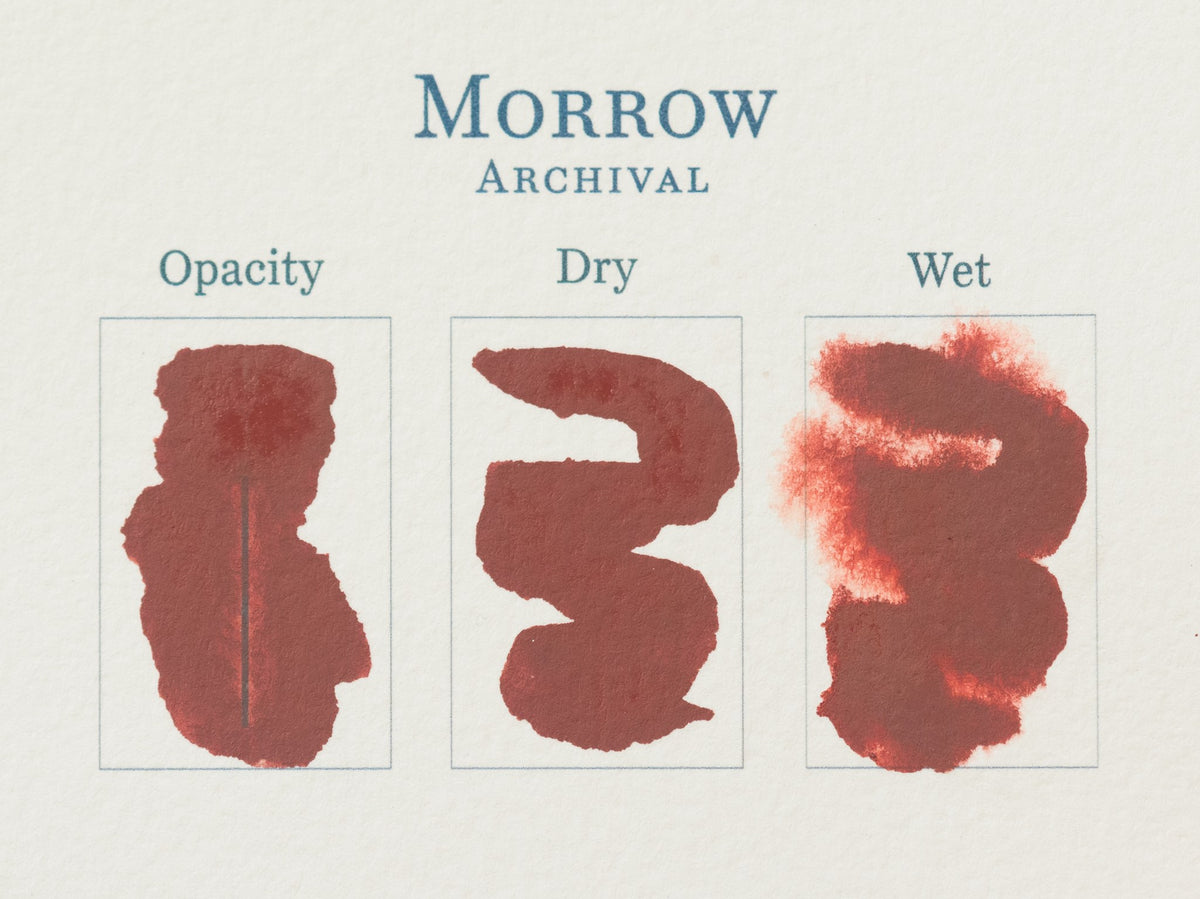
Red Haematite is a handmade natural pigment ground from the mineral hematite, an anhydrous iron oxide (Fe₂O₃). It produces a deep, slightly cool red brown with a rich, earthy masstone. Hematite's color depends strongly on particle size: finer grinds give warmer, brighter reds while coarser grinds move toward deep maroon and violet.
In use, Haematite gives dependable, opaque reds and red browns for figure, landscape and decorative painting, from warm shadows and terracotta to rich drapery and earthy undertones. It has strong tinting strength and mixes well with blues for deep neutrals and with white for soft rose and flesh tints. It is extremely lightfast, compatible with every binder and fully suited to fresco.
History
Hematite is one of the oldest pigments known, used in prehistoric cave paintings, burials and body decoration over 70,000 years ago. Its name comes from the Greek word for blood. Red iron oxides from hematite were used throughout Egyptian, Greek and Roman wall painting and remained a staple of every European painting tradition. Today it remains one of the most permanent reds available.
Pigment Information
Pigment Type: Natural (Iron Oxide) mineral (Hematite, Fe₂O₃)
Source: Natural hematite, crushed and ground
Origin: U.S.A.
Suitable Mediums: Watercolor, Oil, Tempera, Acrylic, Encaustic, Cold Wax, Casein, Lime / Fresco
Lightfastness: Excellent
Opacity: Opaque
Other Names: Hematite, Red Iron Oxide, Bloodstone Red, Red Earth
Color Index Code: PR102
Health and Safety
For art use only. Not for cosmetic, food or children's use.
Keep out of reach of children and pets. Do not eat, drink or smoke while working.
Avoid creating or breathing dust. Work in a ventilated area and wear a NIOSH approved dust respirator (P100 or better) when handling dry pigment.
Wear gloves and eye protection. Wash hands and work surfaces after use, and never rinse pigment into drains.
Do not spray apply, sand or burn.
If swallowed or if you feel unwell, contact a poison control center (U.S. 1-800-222-1222) or a doctor.
Safety Data Sheet available on request.
Caution: Natural earths and minerals contain crystalline silica (quartz). Breathing the dust over long periods can cause serious lung disease (silicosis) and lung cancer. Always use a dust respirator with the dry pigment.