


Natural Bitumen Asphaltum Pigment
Natural Bitumen Asphaltum Pigment
Couldn't load pickup availability

Description
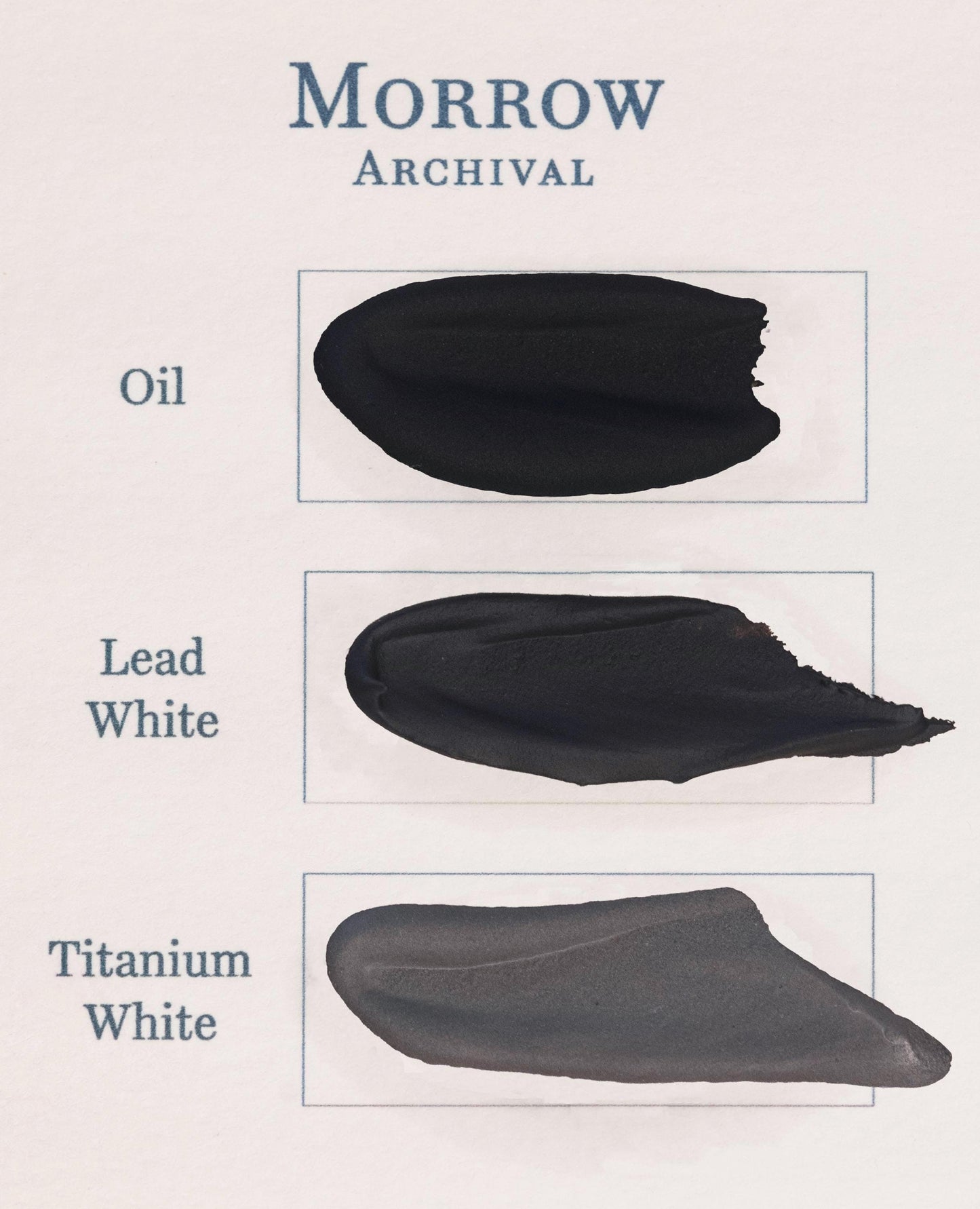
Bitumen, also known as Asphaltum, is a natural brown-black organic pigment derived from petroleum-rich mineral deposits and naturally occurring asphaltic materials. It produces a deep, transparent to semi-transparent brown-black tone with warm amber undertones, ranging from dark coffee brown in masstone to golden-brown glazes in thin applications. Unlike carbon blacks, which are generally more neutral and opaque, Bitumen has a resinous depth and a warm, smoky translucency.
Bitumen was historically valued for its ability to create rich shadows, aged brown glazes, warm dark passages, and atmospheric effects. In oil painting, it can produce deep transparent browns that are visually similar to aged varnish, old wood, smoke, and shadow. Its color can be beautiful, especially in thin films, where it gives a mellow, antique warmth that harmonizes naturally with earth pigments, ochres, umbers, reds, and blacks.
However, natural Bitumen is also one of the most structurally problematic historical painting materials. It does not dry like a stable oil paint pigment and can remain soft, mobile, and reactive within paint films. When used heavily, it may cause wrinkling, cracking, darkening, slow drying, and long-term instability. For this reason, Bitumen is best understood as a historically important but technically risky material, most suitable for study, reconstruction, conservation reference, and very cautious use in thin applications.
History
Bitumen has been known since antiquity and was used by ancient civilizations as a waterproofing material, adhesive, sealant, embalming material, and black-brown colorant. Natural asphaltic deposits were used in the Near East, Egypt, Greece, and Rome for practical and artistic purposes, including coatings, inlays, and dark decorative materials.
As a painting material, Bitumen and Asphaltum became especially associated with European painting from the 17th through the 19th centuries. Artists valued its deep transparent brown tone and its ability to create dramatic shadows and warm glazing effects. It was used in oil painting for dark backgrounds, glazes, shadows, and antique-toned passages, particularly in works aiming for depth, atmosphere, and old-master richness.
By the 18th and 19th centuries, Asphaltum became fashionable among painters seeking warm, dramatic tonal effects. However, its poor drying behavior and instability caused serious conservation problems. Paintings containing heavy applications of Bitumen often developed cracking, wrinkling, sinking, and darkened areas as the material continued to move or interfere with the drying of surrounding oil paint.
Because of these problems, Bitumen gradually fell out of favor as artists’ materials became more standardized and technically reliable. Today, natural Bitumen remains important for historical reconstruction, conservation study, and understanding the material choices of earlier painters, but it is generally approached with caution. Its beauty is real, but so are its risks.
Pigment Information
Pigment Type: Natural Organic
Source: Natural bitumen, asphaltum, petroleum-rich mineral deposits
Suitable Mediums: Oil, Historical Glazes, Varnish Studies, Conservation Reference, Experimental Reconstruction
Lightfastness: Variable; generally dark and resistant to fading, but prone to darkening and film instability
Opacity: Transparent to Semi-transparent
Other Names: Asphaltum, Bitumen, Judaean Asphalt, Mineral Pitch, Asphalt Brown
Color Index Code: Not commonly assigned as a modern artist pigment
Image: Historical oil painting reference image or artwork using bitumen/asphaltum where confirmed by analysis