


Manganese Violet Pigment
Manganese Violet Pigment
Couldn't load pickup availability


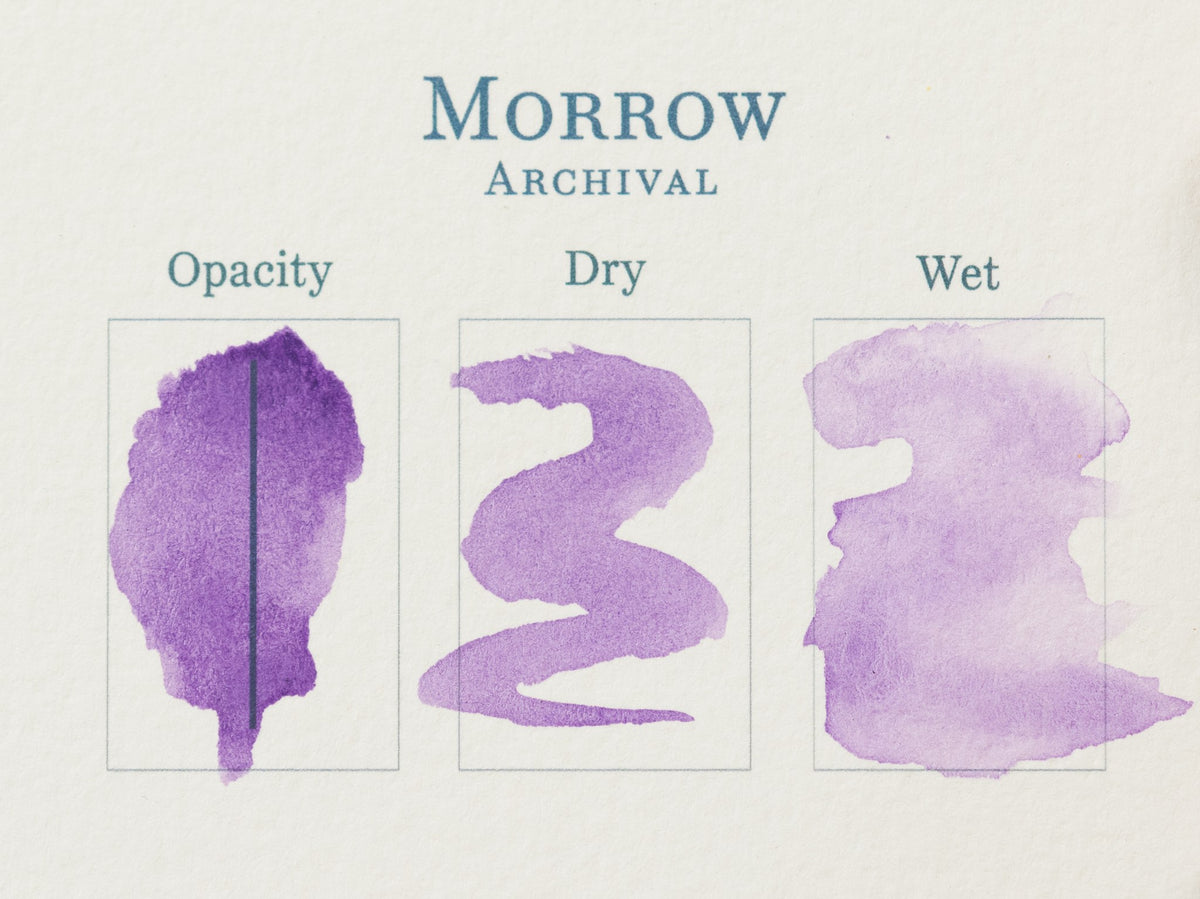
Manganese Violet (PV16) is a handmade single pigment of manganese ammonium pyrophosphate. It produces a clean, cool, slightly reddish violet with a soft, velvety masstone and gentle tints. It has moderate tinting strength and a semi-transparent character, giving lively, controllable violets.
In use, Manganese Violet gives refined violets for florals, shadows, drapery and atmospheric passages. It mixes cleanly with blues for cool violets and with white for delicate lilac tints, and it can neutralize yellows and greens. It is lightfast but sensitive to alkalis, so it should not be used in fresco or with lime.
History
Manganese Violet was first made in 1868 by E. Leykauf in Nuremberg, Germany, and was known for a time as Nuremberg Violet. It became commercially important in the 1890s and gave painters a lightfast, inexpensive violet at a time when cobalt violet was costly and toxic. It remains a standard violet in artist paints today.
Pigment Information
Pigment Type: Synthetic (Inorganic) manganese ammonium pyrophosphate
Source: Manganese ammonium pyrophosphate (NH₄MnP₂O₇)
Origin: U.S.A.
Suitable Mediums: Watercolor, Oil, Tempera, Acrylic, Encaustic, Casein
Lightfastness: Excellent
Opacity: Semi-transparent
Other Names: Nuremberg Violet, Mineral Violet, Permanent Violet, Manganese Purple
Color Index Code: PV16
Health and Safety
For art use only. Not for cosmetic, food or children's use.
Keep out of reach of children and pets. Do not eat, drink or smoke while working.
Avoid creating or breathing dust. Work in a ventilated area and wear a NIOSH approved dust respirator (P100 or better) when handling dry pigment.
Wear gloves and eye protection. Wash hands and work surfaces after use, and never rinse pigment into drains.
Do not spray apply, sand or burn.
If swallowed or if you feel unwell, contact a poison control center (U.S. 1-800-222-1222) or a doctor.
Safety Data Sheet available on request.
Caution: May cause damage to organs through prolonged or repeated inhalation of dust. Avoid breathing dust.