


Han Purple Pigment
Han Purple Pigment
Couldn't load pickup availability


Description
Han Purple is an ancient synthetic pigment first developed in China during the Western Zhou to early Han Dynasty periods (circa 8th to 3rd century BCE). Created through a high-temperature fusion of barium copper silicate materials, Han Purple produces a vivid, luminous purple-blue hue, slightly warmer and redder than its close relative Han Blue. It is one of the oldest known synthetic purple pigments, with a crystalline structure that gives it a soft granulation and glowing, otherworldly character.
In watercolor, Han Purple creates vibrant, semi-transparent washes with fine granulation and a unique softness. In egg tempera and oil, it offers an intense, velvety purple ideal for clothing, ornamental details, skies, and sacred motifs. It occupies a rare tonal space between blue and violet, giving historical and contemporary artworks an unforgettable brilliance.
History
Han Purple represents a major technological innovation in early Chinese materials science. Unlike mineral pigments that were ground from natural ores, Han Purple was manufactured intentionally through complex chemical processes involving the firing of barium minerals, quartz, and copper compounds.
It was used extensively in funerary art, tomb murals, statues, and decorative ceramics during the Warring States and Han periods. Archaeological discoveries, such as the painted statues of the Terracotta Army and tomb murals in Mawangdui, confirm its popularity and durability. Han Purple and Han Blue are considered precursors to other synthetic pigments like Egyptian Blue, but Han pigments are chemically distinct and reflect China's unique advancements. In the pictured mural from a Han tomb near Luoyang dating between 25 and 220 CE, a pair of Liubo players, containing both Han Blue and Han Purple throughout the rich robes and background of the piece to create beautiful blues and purples.
Although the production knowledge faded with time, Han Purple remains an iconic symbol of early synthetic color-making. Its vividness, rarity, and historical importance make it highly prized for archaeological reproductions, traditional painting, and fine art applications.
Pigment Information
Pigment Type: Synthetic inorganic pigment (barium copper silicate)
Suitable Mediums: Watercolor, Oil, Tempera, Acrylic, Encaustic, Cold Wax, Casein, Milk, Swedish Flour, Lime / Fresco, Ceramics
Lightfastness: Excellent
Opacity: Semi-transparent with natural granulation
Other Names: Chinese Purple, Barium Copper Purple, Ancient Han Purple
Color Index Code: NA
Image: "Liubo Players Mural" by unknown.
The pigment was absolutely beautiful and mulled easily into smooth and uniform paint. The shade of purple is delicate and beautiful
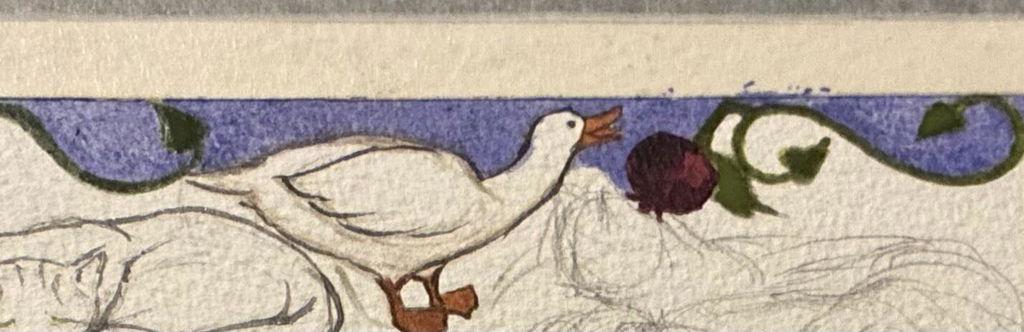
OMG I wasn't expecting to find the color (the purple one on the left). I'm Chinese and have being interested in the archaeological color for a long time.
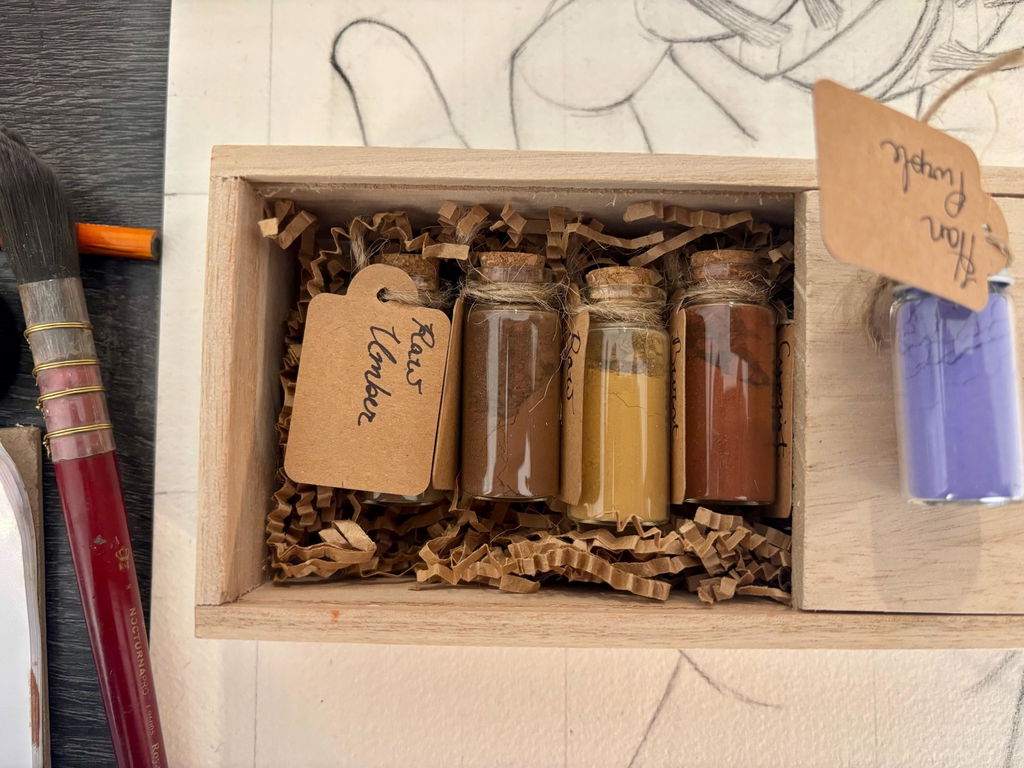
Got this also as a gift for a friend. Arrived quickly and packaged nicely! Very excited to have found pigments that aren’t mixed with mica