


Glass Powder
Glass Powder
Couldn't load pickup availability

Description
Glass Powder is a historic colorless painting additive made from finely ground glass, used extensively by Renaissance artists such as Raphael to modify the handling, body, translucency, and drying behavior of oil paint. Unlike colored glass pigments such as smalt, colorless powdered glass was not primarily valued for its hue. Instead, it was added to paints, glazes, primings, and mordants to alter their working properties while remaining visually subtle.
In oil painting, glass powder can lend body and texture to paint without strongly changing the color. It is especially associated with layered Renaissance technique, where translucent glazes, semi-opaque passages, and carefully built preparatory layers depended on precise control of flow, drying, and optical depth.
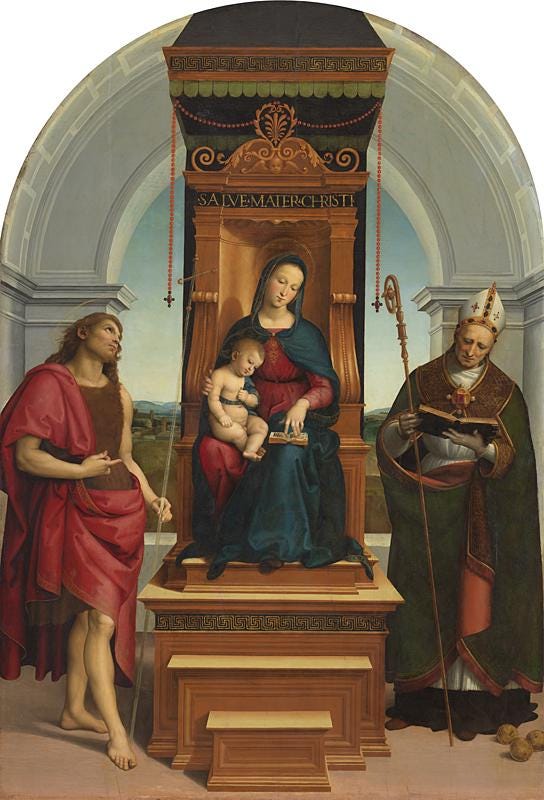
Raphael appears to have used powdered glass particularly extensively. Technical studies of National Gallery paintings found glass in seven sampled works by Raphael, including The Ansidei Madonna, where it occurs in the grey architecture, orange-brown throne passages, and a mordant used for gilding. The National Gallery notes that The Ansidei Madonna was painted in walnut oil over a gesso ground and oil-based priming, with Raphael building color through layered oil technique.
History
Colorless powdered glass was used in fifteenth- and sixteenth-century European painting, especially in Italy. Historical technical research has shown that it was commonly associated with red lake glazes, oil primings, and certain mordants, but Raphael’s use was broader than many of his contemporaries. In The Ansidei Madonna of 1505, the National Gallery identifies the work as the main panel of Raphael’s Ansidei Altarpiece, painted for the Ansidei family chapel in S. Fiorenzo, Perugia.
The material’s purpose was probably practical as much as visul. Since glass was often hidden beneath paint or gold leaf, researchers suggest it may have improved handling, increased body, and possibly affected drying rather than serving as a visible colorant. In The Ansidei Madonna, glass appears not only in colored paint layers but also in a mordant, where it was used alone beneath gilding rather than mixed with pigments.
This makes glass powder an important example of the sophisticated material knowledge behind Renaissance painting. It belongs to the quiet technical vocabulary of the workshop: not a brilliant color in itself, but a material that helped painters control structure, surface, and luminosity.
Material Information
Material Type: Historic painting additive / extender
Composition: Finely ground colorless glass, silica-based with alkali and stabilizing components
Suitable Mediums: Oil, tempera, watercolor, encaustic
Color: Colorless translucent white powder
Opacity: Fully tansparent
Lightfastness: Excellent
Primary Function: Adds body, modifies handling, may influence drying, supports layered paint structure
Artwork: The Ansidei Madonna by Raphael from the National Gallery