


Egyptian Smalt Pigment
Egyptian Smalt Pigment
Couldn't load pickup availability

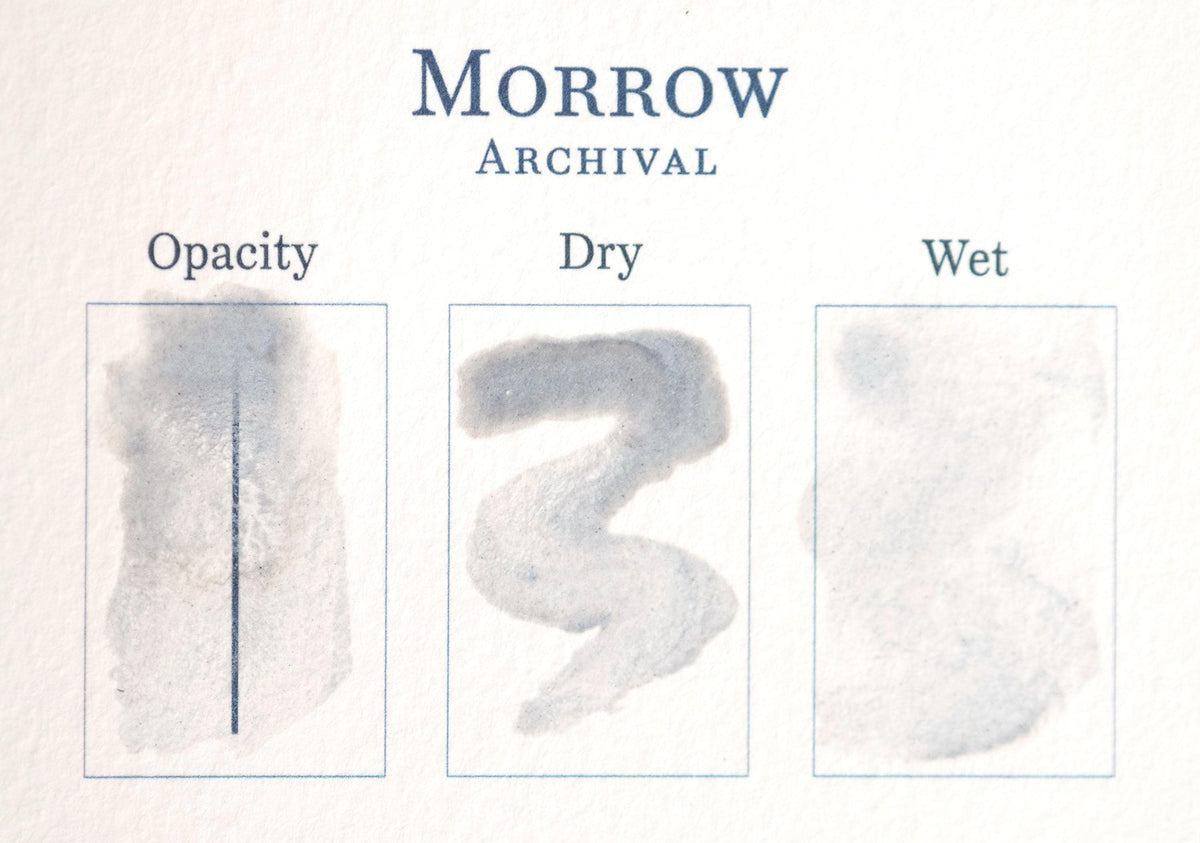
Description
Egyptian Smalt is a historic blue pigment made by finely grinding a cobalt containing glass, traditionally fused from silica, alkali, and cobalt bearing minerals such as asbolite or cobaltite. This early form of smalt, used as far back as the 18th Dynasty in Egypt, contains a lower concentration of cobalt than later European smalts, giving it a more muted, smoky blue gray tone with soft lavender or violet undertones depending on the grind.
Unlike modern synthetic blues, Egyptian Smalt has a subtle translucency and crystalline texture that creates luminous, irregular washes and textured brushwork. It is best suited to fresco, egg tempera, and water based techniques where its natural texture and granulation can be appreciated. When used in oil, smalt tends to lose saturation over time, and thus it is valued primarily for its historical and conservation uses rather than modern permanence.
History
Egyptian Smalt represents one of the earliest known uses of cobalt glass as a coloring agent, predating European smalt by more than a millennium. Fragments of cobalt blue glass and faience have been found in New Kingdom tombs and workshops at Amarna and Thebes, where it was used in jewelry, inlays, vessels, and architectural decoration.
Though not originally used as a pigment for painting in its earliest forms, this glassy blue was later ground and applied as a pigment by both Egyptian and Near Eastern artists, and was the likely predecessor to smalt as used in 16th-century European painting. Renaissance smalt, with its higher cobalt concentration and deeper color, became widespread as a more affordable alternative to ultramarine. The earlier Egyptian version, by contrast, has a softer, greyer hue and retains a special place in pigment history for its innovation and ancient origins.
Egyptian Smalt is ideal for artists interested in historical reconstruction, archaeological replication, or early palette building with mineral pigments.
Pigment Information
Pigment Type: Cobalt glass pigment from fused silica, alkali, and cobalt bearing minerals
Source: Ground naturally derived glass containing cobalt
Origin: Egypt (historical)
Suitable Mediums: Watercolor, Tempera, Fresco, Acrylic, Oil (with caution)
Lightfastness: Moderate in aqueous media, Poor in oil
Opacity: Semi-transparent with natural granulation
Other Names: Ancient Cobalt Blue, Smalt (Egyptian type), Cobalt Glass Blue
Color Index Code: PB32 (historical classification; varies by cobalt content)
Health and Safety
- For art use only. Not for cosmetic, food or children's use.
- Keep out of reach of children and pets. Do not eat, drink or smoke while working.
- Avoid creating or breathing dust. Work in a ventilated area and wear a NIOSH approved dust respirator (N95 or better) when handling dry pigment.
- Wear gloves and eye protection. Wash hands and work surfaces after use, and never rinse pigment into drains.
- Do not spray apply, sand or burn.
- If swallowed or if you feel unwell, contact a poison control center (U.S. 1-800-222-1222) or a doctor.
- Safety Data Sheet available on request.
Caution: Contains cobalt. May cause an allergic skin reaction. May cause allergy or asthma symptoms if dust is inhaled. Avoid breathing dust and repeated skin contact. Do not rinse into drains.
Caution: Natural earths and minerals contain crystalline silica (quartz). Breathing the dust over long periods can cause serious lung disease (silicosis) and lung cancer. Always use a dust respirator with the dry pigment.
WARNING: This product can expose you to crystalline silica (airborne particles of respirable size), which is known to the State of California to cause cancer. For more information go to www.P65Warnings.ca.gov.