


Dioxazine Violet Pigment
Dioxazine Violet Pigment
Couldn't load pickup availability


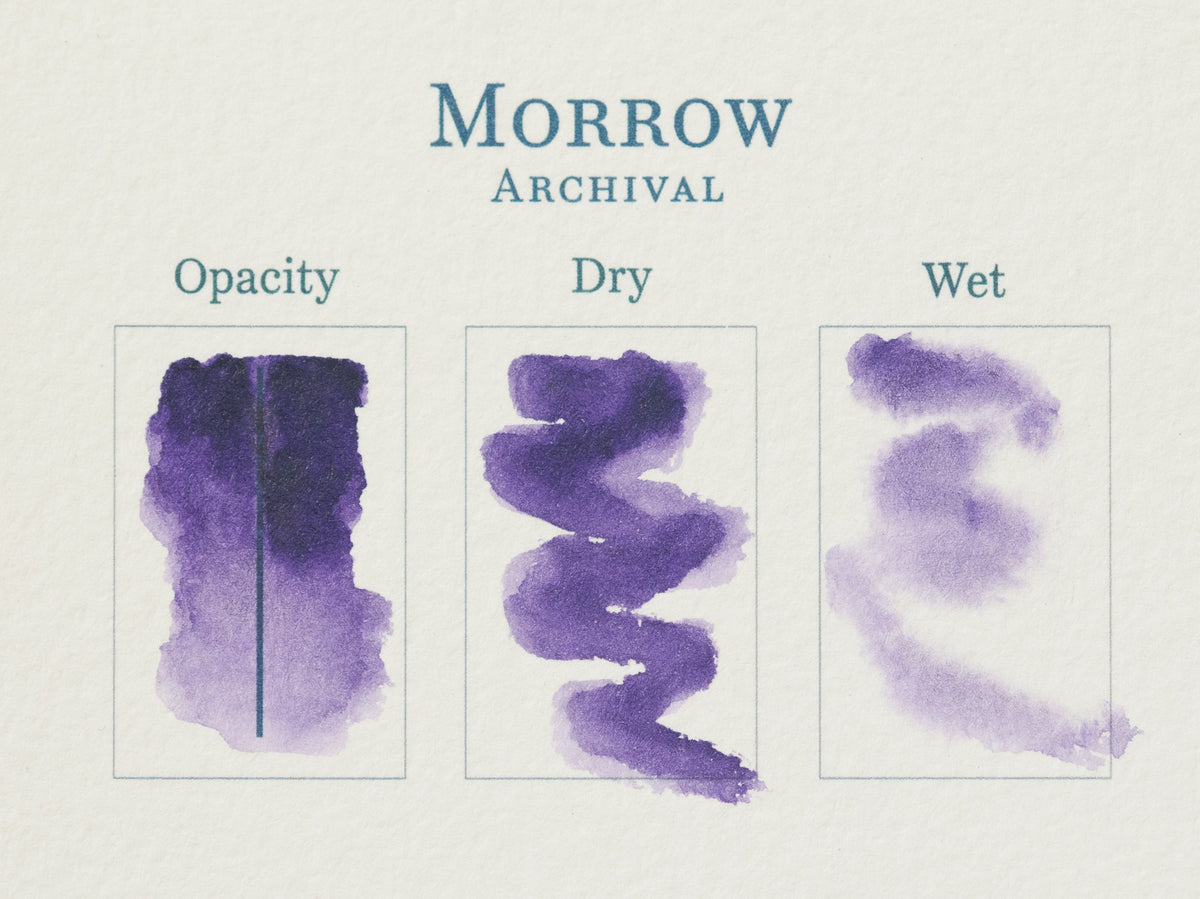
Dioxazine Violet (PV23) is a single pigment of carbazole dioxazine. It produces an intense, deep, slightly bluish purple with a near black masstone and vivid, clean tints. It has extremely high tinting strength and strong staining, so a little goes a long way.
In use, Dioxazine Violet gives powerful violets for florals, shadows and glazing, and it is a key mixing color for deep, cool darks. With yellows it makes rich neutrals, with blues it makes intense blue violets and with earths it makes deep, warm shadows. It is transparent, staining and very lightfast in masstone, and it works in every binder.
History
Carbazole dioxazine was discovered in 1928 by chemists at Hoechst in Germany, but it was not widely used as a pigment until the 1950s. Since then it has become the standard strong violet in artist paints, valued for its intensity and permanence compared with older violets.
Pigment Information
Pigment Type: Synthetic (Organic) carbazole dioxazine
Source: Carbazole dioxazine
Origin: China
Suitable Mediums: Watercolor, Oil, Tempera, Acrylic, Encaustic, Casein, Lime / Fresco
Lightfastness: Very good to excellent
Opacity: Transparent
Other Names: Carbazole Violet, Dioxazine Purple, Winsor Violet, Permanent Violet
Color Index Code: PV23
Health and Safety
For art use only. Not for cosmetic, food or children's use.
Keep out of reach of children and pets. Do not eat, drink or smoke while working.
Avoid creating or breathing dust. Work in a ventilated area and wear a NIOSH approved dust respirator (P100 or better) when handling dry pigment.
Wear gloves and eye protection. Wash hands and work surfaces after use, and never rinse pigment into drains.
Do not spray apply, sand or burn.
If swallowed or if you feel unwell, contact a poison control center (U.S. 1-800-222-1222) or a doctor.
Safety Data Sheet available on request.
Caution: May cause an allergic skin reaction. Avoid breathing dust and repeated skin contact.